
High and Low
ไม่พลาดการติดตาม สิ่งที่คุณกำลังดู
รวมหนังและซีรีส์ทุกเรื่องไว้ที่เดียว ดูต่อจากตอนที่ค้างไว้ได้ทันที และรู้เสมอว่าเรื่องไหนต่อไป
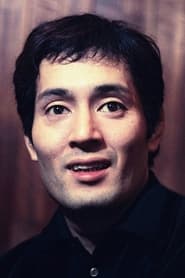

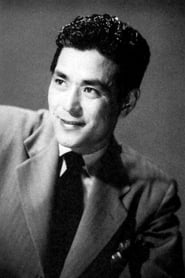
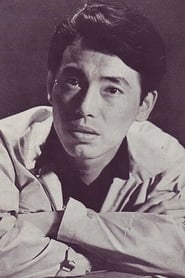
1,826 viewers track this on Moventra ·free to join
- ผู้กำกับ
- Akira Kurosawa
- ผู้เขียนบท
- Eijiro Hisaita, Ryuzo Kikushima, Hideo Oguni
- นักแสดงนำ
- Toshirō Mifune, Tatsuya Nakadai, Kyōko Kagawa
- แนว
- Drama, Mystery, Thriller, Crime
เรื่องย่อ
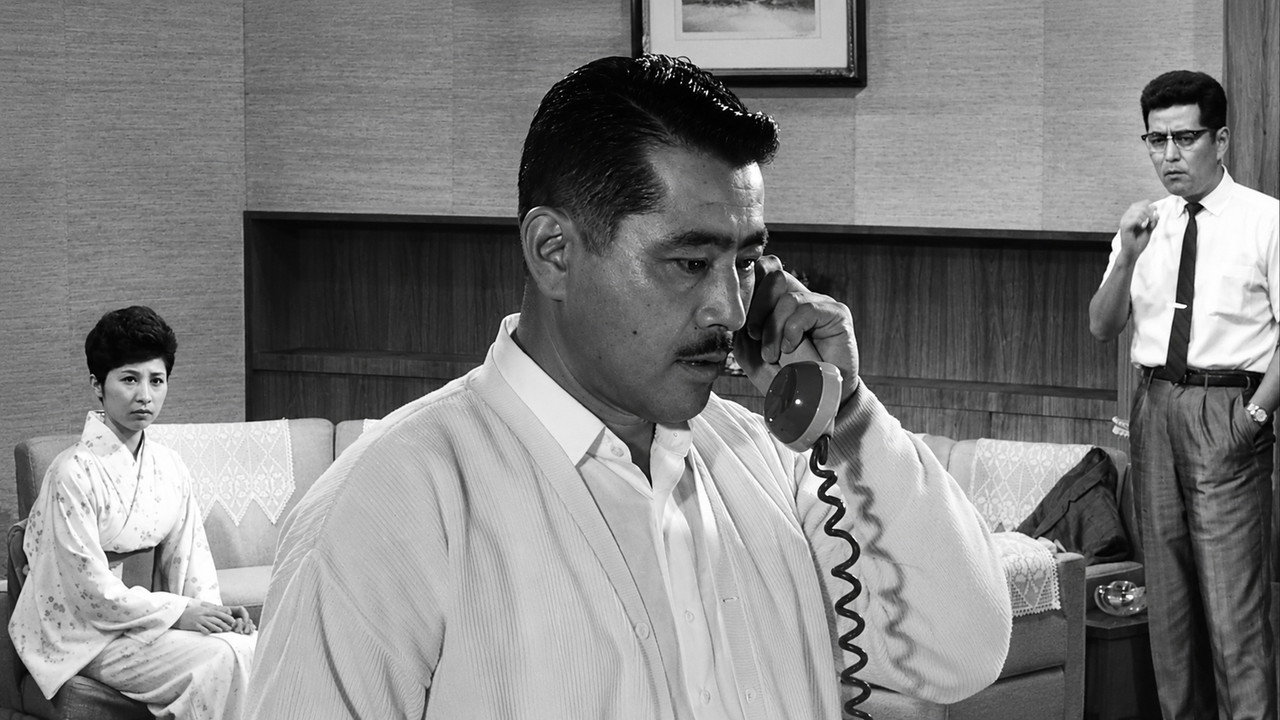
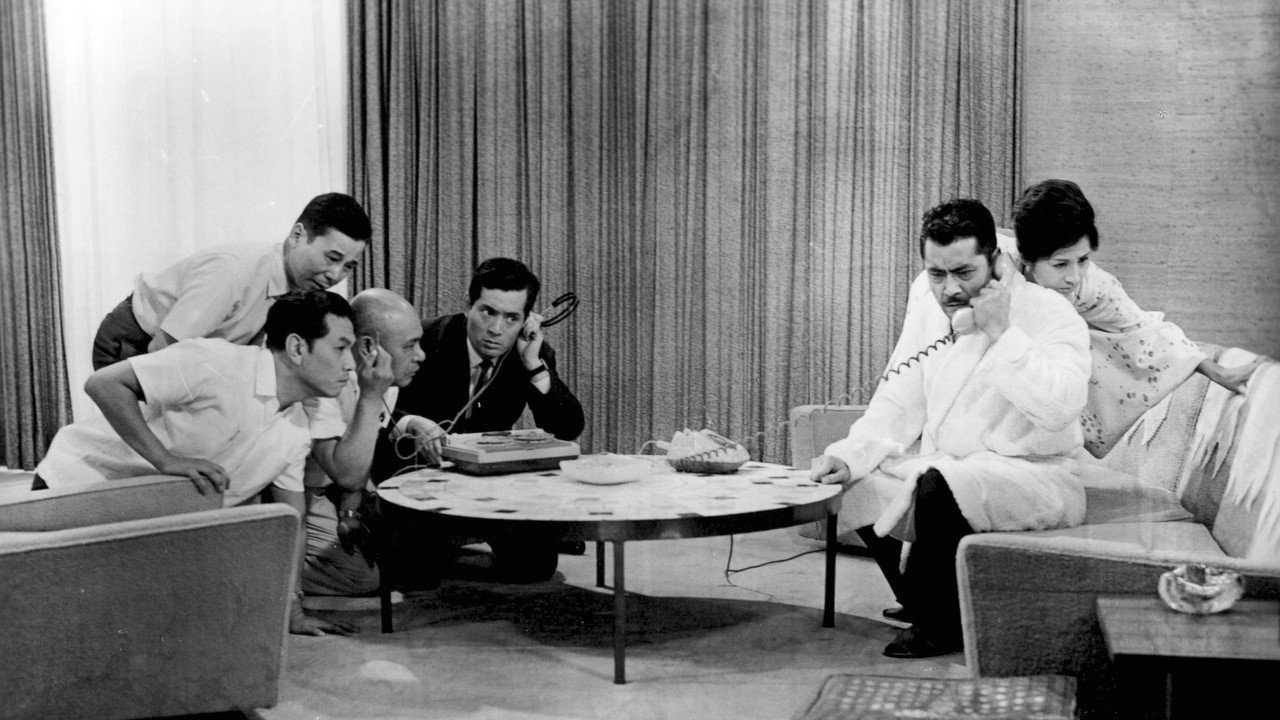
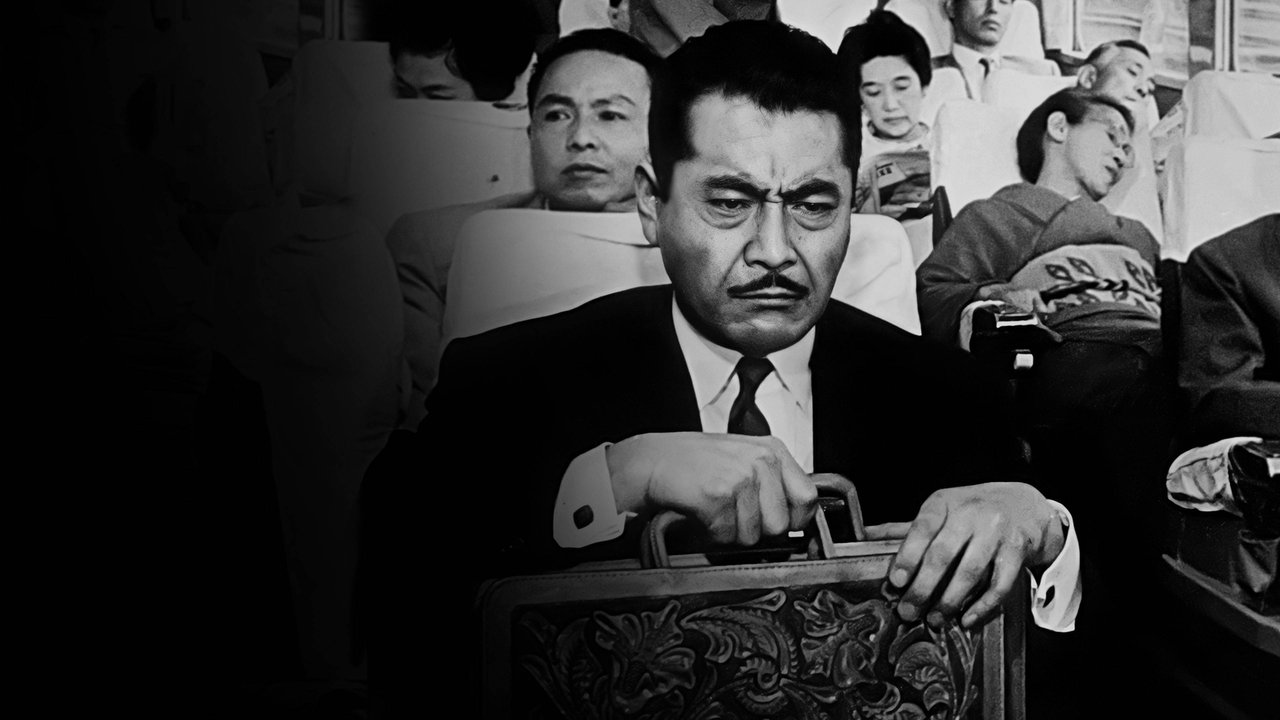
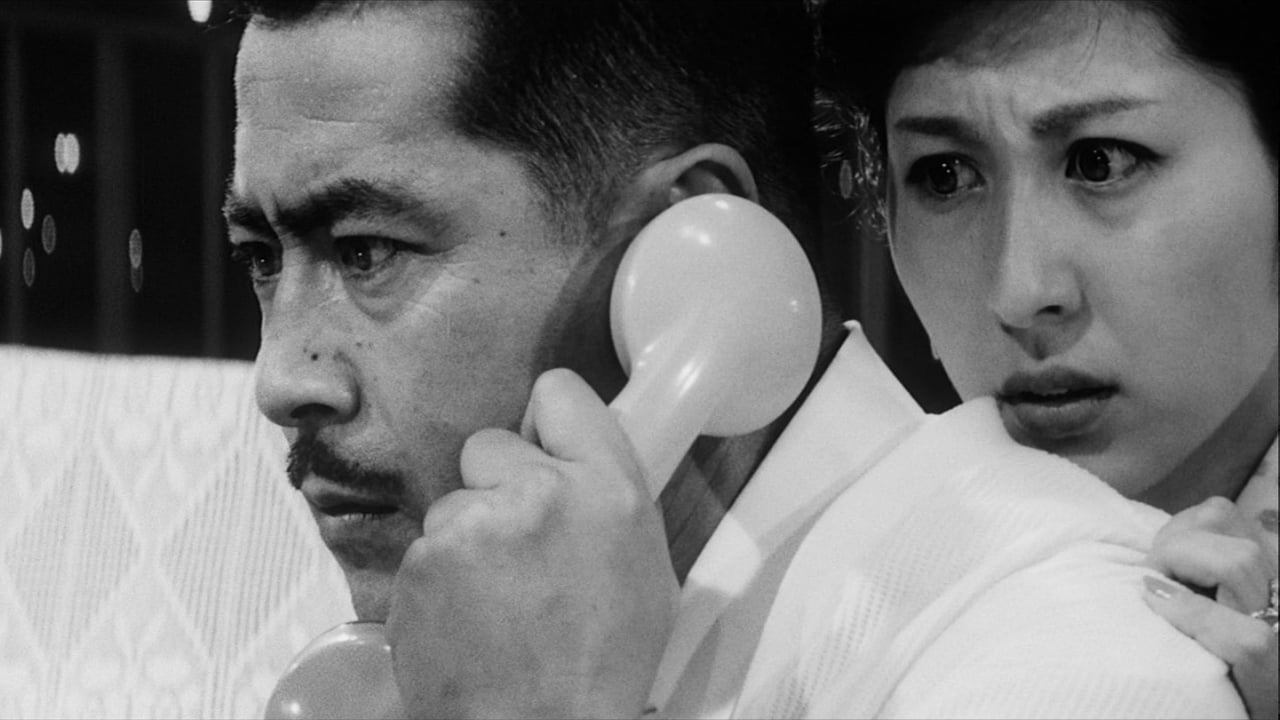
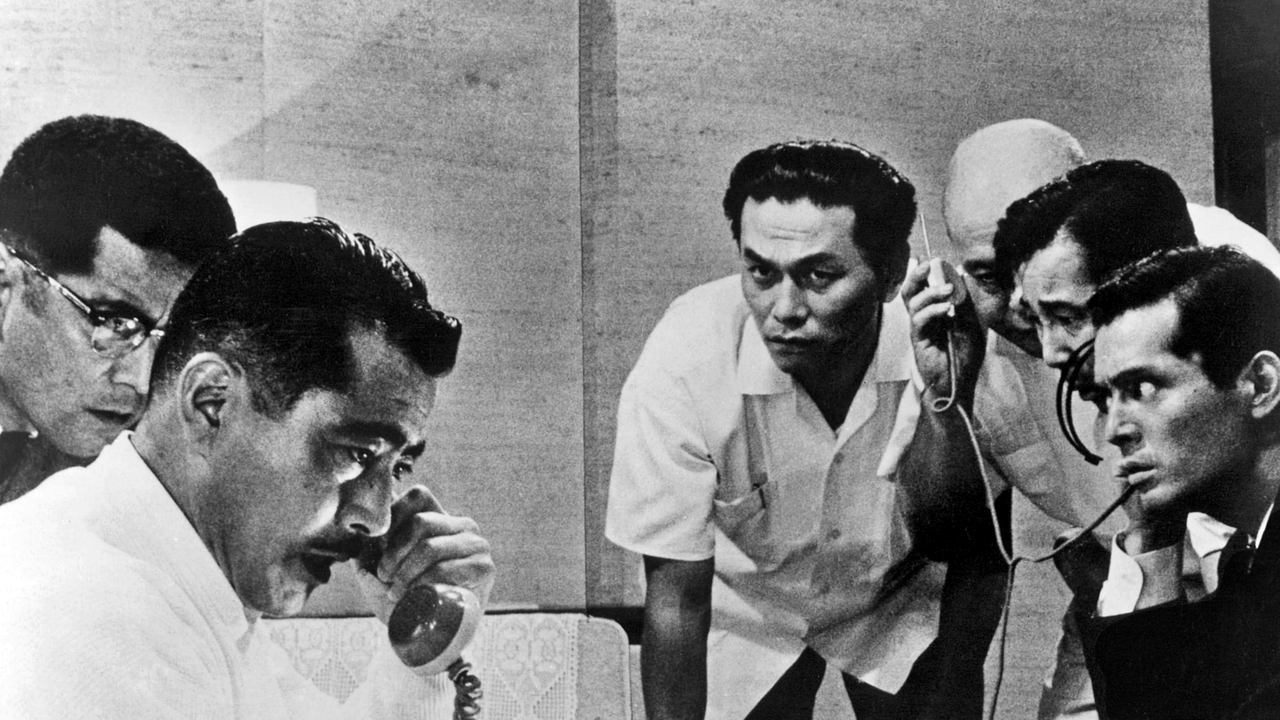
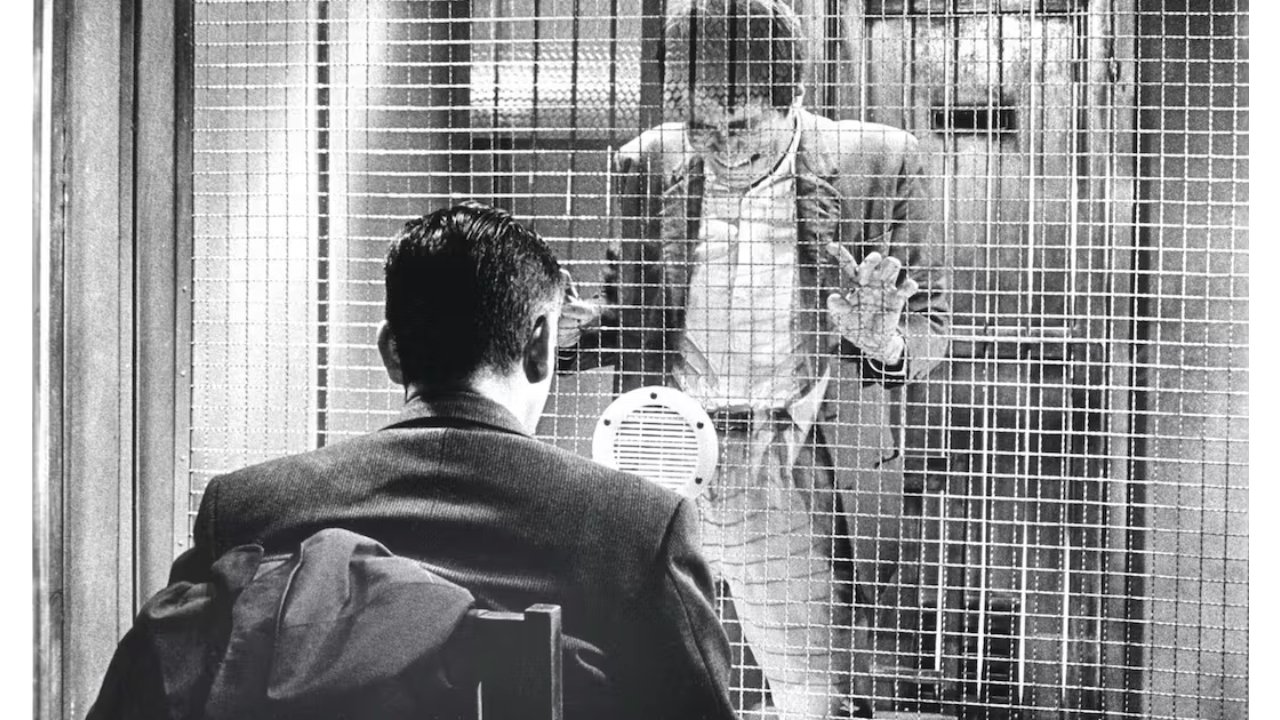
คิงโกะ กอนโด ประธานบริษัทผลิตรองเท้า กำลังวางแผนซื้อหุ้นเพื่อควบคุมกิจการ แต่แล้วเขากลับได้รับโทรศัพท์ขู่กรรโชก โดยคนร้ายอ้างว่าจับตัวลูกชายของเขาไปเรียกค่าไถ่ ทว่าความจริงปรากฏว่าเด็กที่ถูกจับคือลูกชายของคนขับรถของเขา กอนโดต้องเลือกระหว่างอนาคตของบริษัทกับชีวิตของเด็กชาย ท่ามกลางความกดดันและการสืบสวนของตำรวจ
Toshirō Mifune
Kingo Gondo
Tatsuya Nakadai
Chief Detective Tokura
Kyōko Kagawa
Reiko Gondo
Tatsuya Mihashi
Kawanishi, Gondo's secretary
Isao Kimura
Detective Arai

Kenjirō Ishiyama
Chief Detective 'Bos'n' Taguchi

Takeshi Katō
Detective Nakao
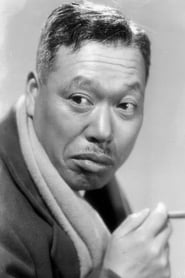
Takashi Shimura
Chief of Investigation Section
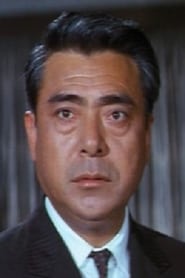
Jun Tazaki
Kamiya, National Shoes Publicity Director
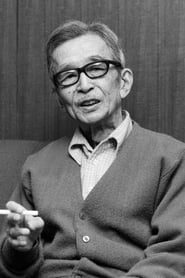
Nobuo Nakamura
Ishimaru, National Shoes Design Department Director
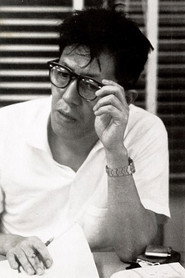
Yūnosuke Itō
Baba - National Shoes Executive

Tsutomu Yamazaki
Ginjirô Takeuchi - Medical Intern
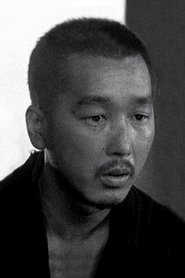
Minoru Chiaki
First Reporter
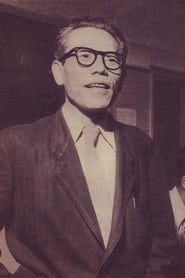
Eijirō Tōno
Factory Worker
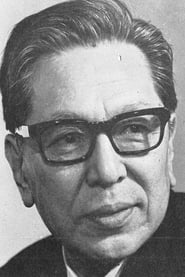
Masao Shimizu
Prison Warden
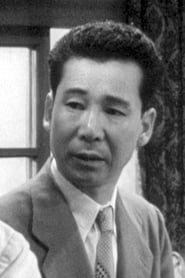
Yutaka Sada
Aoki - the Chauffeur
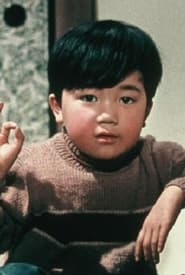
Masahiko Shimazu
Shinichi Aoki

Toshio Egi
Jun Gondo
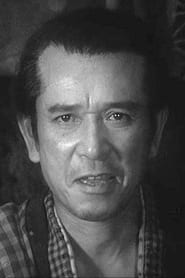
Kōji Mitsui
Second Reporter
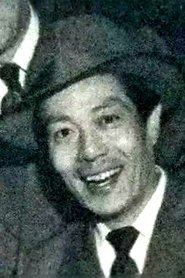
Kyū Sazanka
First Creditor
รีวิว
รีวิว 3 รายการ
A well worked, high stake crime thriller. The stakes are deeply personal to our main characters and puts them in an impossible situation. The performances and direction are very solid, the story is engaging and ultimately, it's a simple yet enjoyable film. Kurosawa comments on modern corporate greed and poverty in post-war Japan, and he does it very well.

I’m always amazed at how a single film can be fundamentally characterized in multiple ways, but that’s understandable when the picture combines an array of diverse elements, each of which has a validity all its own that can subsequently lead to different overarching interpretations. Such is the case with this 1963 film classic from famed Japanese auteur Akira Kurosawa, which provides the cinematic inspiration behind filmmaker Spike Lee’s current reimagination, “Highest 2 Lowest,” now playing theatrically. Like the current iteration, “High and Low” follows the story of a wealthy businessman, Kingo Gondô (Toshirô Mifune), who’s looking to take control of the shoe manufacturing company for which he works, a plan that requires him to leverage his entire personal fortune to make it possible. But, just as he’s about to close the deal, he’s distracted by the alleged kidnapping of his young son (Toshio Egi), a crime for which the perpetrator demands a ransom equal in value to the funds needed to cover the pending transaction. However, not long after hearing about the kidnapping, Gondô learns that the culprit has nabbed the wrong child, erroneously taking the son (Masahiko Shimazu) of his chauffeur (Yutaka Sada). But Gondô is not off the hook: the kidnapper still demands payment of the ransom, even though the crime doesn’t involve his son. This leaves Gondô with a huge moral dilemma: does he use the money to close his business deal or to pay the ransom of his employee’s child? As Gondô grapples with this decision, an intense police investigation ensues to discover the kidnapper’s identity and to figure out a way to retrieve both the victim and the ransom money. Unlike the current film, though, Kurosawa’s version focuses less on the particulars driving this scenario and more intently on the ethical questions that the protagonist is left to wrestle with, issues ultimately symbolic of the divisive class and economic disparities in Japanese society. Indeed, while the picture provides viewers with its share of intense thriller moments, in many regards it’s really more of a morality play, not only where Gondô is concerned, but also in its exploration of the inherent chasms between rich and poor, privileged and impoverished, and control and servitude. (This attribute, in turn, helps to shed light on the nature of the film’s character and the relevance of its original Japanese title, “Tengoku to jigoku,” which translates to “Heaven and Hell,” in my opinion a more fitting appellation that probably should have been retained when renamed in English.) The foregoing aspects of the picture thus distinguish this predecessor work from the current release, even though the exact nature of the nexus between kidnapper and target is not developed as fully here as I believe it should have been (one of the few ways in which the present offering modestly improves upon the original). In addition, there are times in the opening act, as well as in the run-up to the film’s conclusion, when the storytelling could have been a little brisker (the slower pacing style of the period in which the picture was made notwithstanding). Still, this offering’s social and cultural themes are nevertheless intriguing, and their place here has a tendency to grow on audiences as the picture progresses. And those thematic aspects, when combined with the contrast of the narrative’s riveting criminal investigation, make for an intriguing mix, one that undoubtedly accounts for the differing perspectives that this release often evokes among viewers. While “High and Low” may not be Kurosawa’s best work when compared with such pictures as “Rashômon” (1950) and “Ikiru” (1952), it stands out as one of the filmmaker’s most thoughtful and engaging works, one that probes the heaven and hell that reside here on Earth, both individually and at their points of intersection, and how the lines between them can become all too easily blurred, a caution to us all.

I didn't take to this initially. The scenario reminded me a little of an episode of "Columbo" - a rather sterile, studio-set environment that came across as quite limiting. Once it gets going, though, it's one of the best crime thrillers I've seen in ages. It all centres around the kidnapping of a small boy for whom the anger-prone, shoe millionaire "Gondo" (a strong contribution from Toshirô Mifune) is supposed to pay a ransom of ¥30 million - a colossal sum. It turns out, though, that it's not his son who has been snatched - it's the child of his chauffeur. Why ought he to pay? Will he just get on with his impending company takeover or will he risk bankruptcy for the young "Shinichi"? This is a film split into three sections. The first deals with the decision making process around will he/won't he/why should he. Next, the police must try to apprehend this individual. This process is meticulously carried out and Kurosawa has chosen to immerse us in some of that detail, rather than just cursorily skip through it. This makes the whole detection process a much more interesting part of the film; allowing some aspects of the characterisation of the police officers to develop and also introducing some dark humour to the proceedings. Finally, we reach the denouement with it's own rather curious and not entirely explicable agenda. There's an element of "what would you do?", there's a grim depiction of a seamier side of Japanese (heroin-fuelled) culture that we seldom get to see and there is a rather starkly effective dose of humanity presented here as the story juggles aspects of human nature, nurture and good old fashioned greed in quite an effective fashion. It's based on an Ed McBain book (which I haven't read) but the entire project has been successfully subsumed into it's guest culture for a gripping and detailed mystery that flies by.
คะแนน
8.4
Votes
1K
Popularity
14
Photos
Stills & key art from the movie





Your free movie & series tracker
What is Moventra?
Moventra remembers what you watch so you don’t have to. Keep a watchlist, log episodes, and discover similar titles, all in one free app.
Watchlist
Save movies and series you want to watch later.
Episode tracking
Keep tabs on every season and episode as you watch.
Recommendations
Find similar titles when something isn’t for you.
Import & export
Bring your list with you and keep control of your data.
Frequently asked questions
How do I add High and Low to my library?
Can I rate and review High and Low?
Where do I find more movies like High and Low?
Is my Moventra data private?
Start tracking High and Low and build the library that follows you everywhere.
Free forever, no advertisement. Pick up where you left off and always know what’s next.