


Dolls
Verlier nie den Überblick, was du gerade schaust.
Alle Filme und Serien an einem Ort – mach genau da weiter, wo du aufgehört hast, und weißt immer, was als Nächstes kommt.

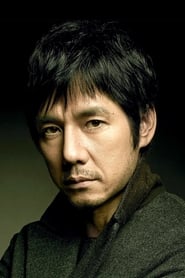
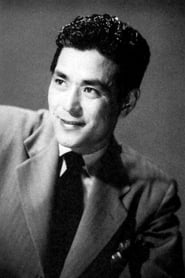


1,546 viewers track this on Moventra ·free to join
- Regie
- Takeshi Kitano
- Drehbuch
- Takeshi Kitano
- Hauptdarsteller
- Miho Kanno, Hidetoshi Nishijima, Tatsuya Mihashi
- Genre
- Drama, Romance
Handlung
Dolls takes puppeteering as its overriding motif, which relates thematically to the action provided by the live characters. Chief among those tales is the story of Matsumoto and Sawako, a young couple whose relationship is about to be broken apart by the former's parents, who have insisted their son take part in an arranged marriage to his boss' daughter.
Miho Kanno
Sawako
Hidetoshi Nishijima
Matsumoto
Tatsuya Mihashi
Hiro
Chieko Matsubara
Ryoko
Kyoko Fukada
Haruna Yamaguchi
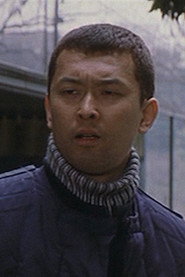
Tsutomu Takeshige
Nukui

Kayoko Kishimoto
Haruna's Aunt

Nao Omori
Matsumoto's Colleague
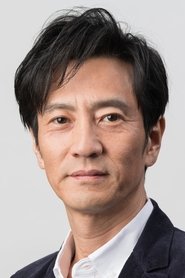
Kanji Tsuda
Young Hiro

Yuko Daike
Young Ryoko
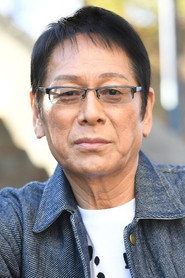
Ren Osugi
Haruna's Manager
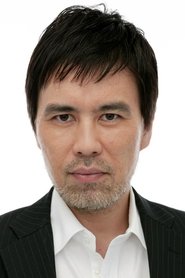
Koji Kiryu
Yakuza

Kyoko Yoshizawa
Haruna's Mother
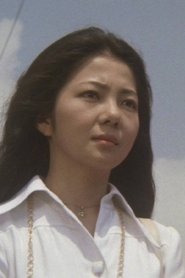
Midori Kanazawa
Matsumoto's Mother

Shimadayu Toyotake
Tayu

Seisuke Tsurusawa
Puppet Theater Shamisen Player

Minotaro Yoshida
Puppeteer of Umegawa the Courtesan

Shogo Shimizu
Matsumoto's Father

Kazunari Aizawa
The Young Minion

Moro Morooka
Hitman in the Park
Bewertungen
1 Rezension
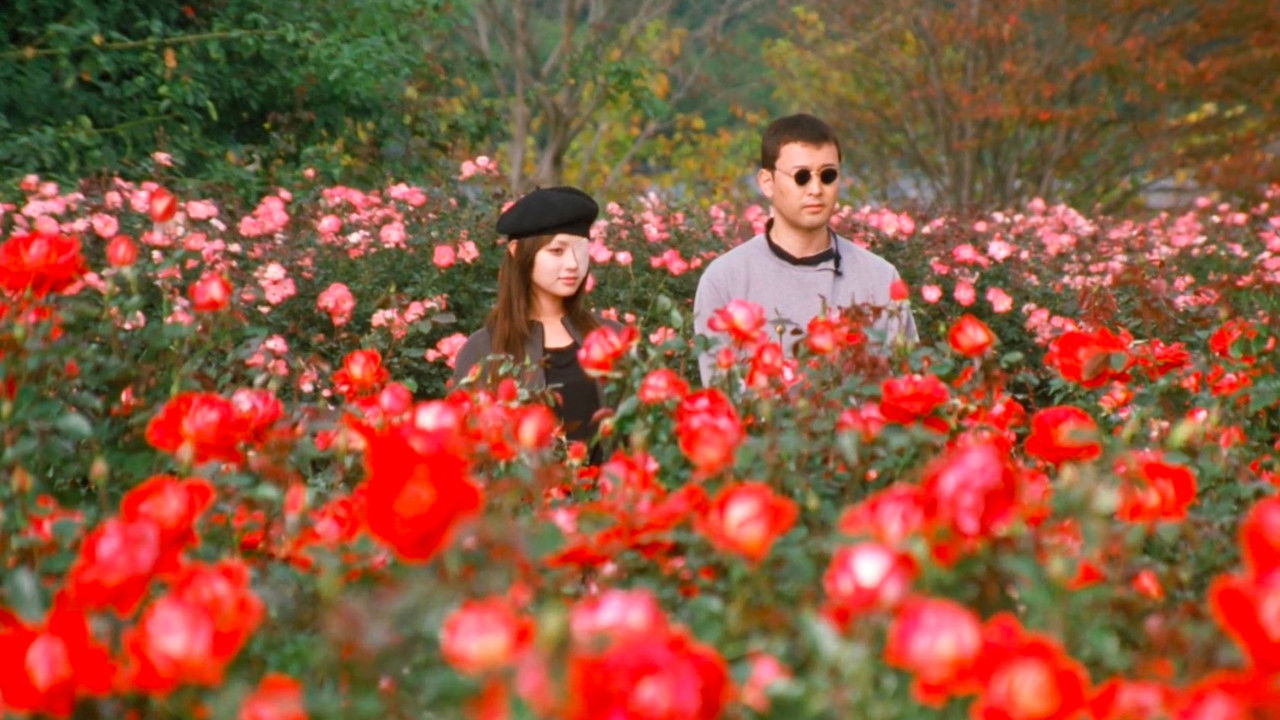
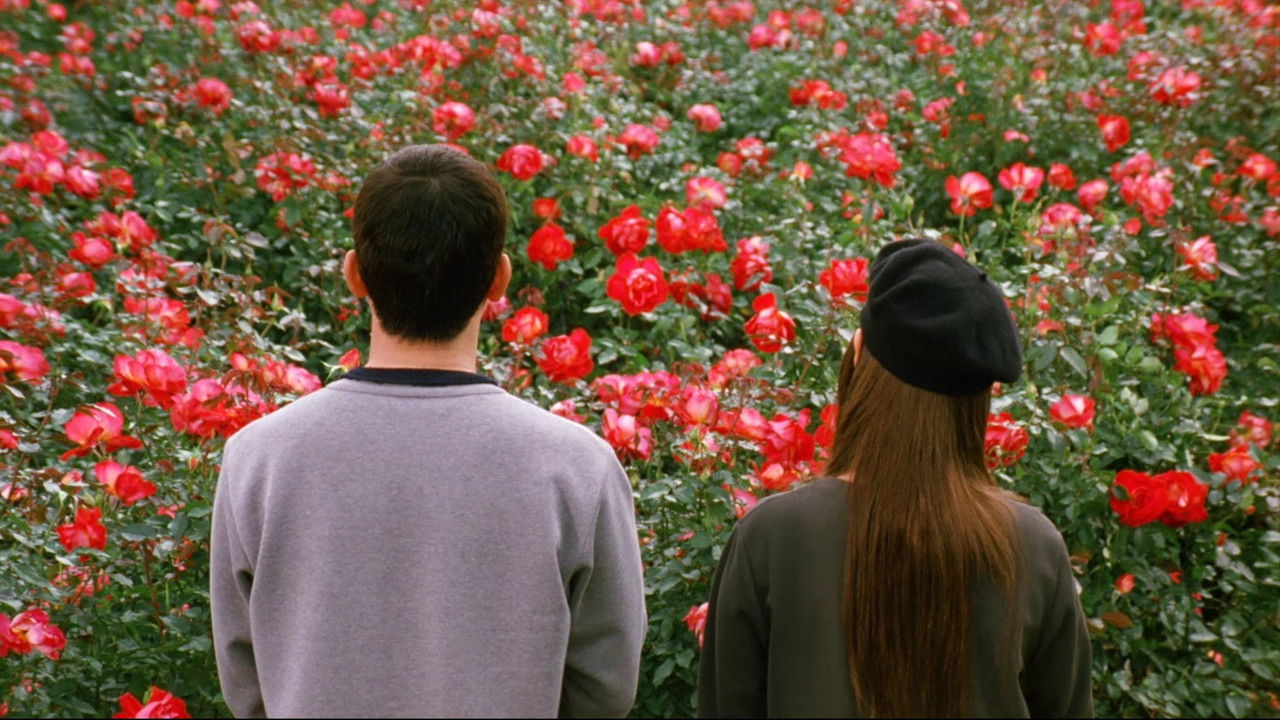
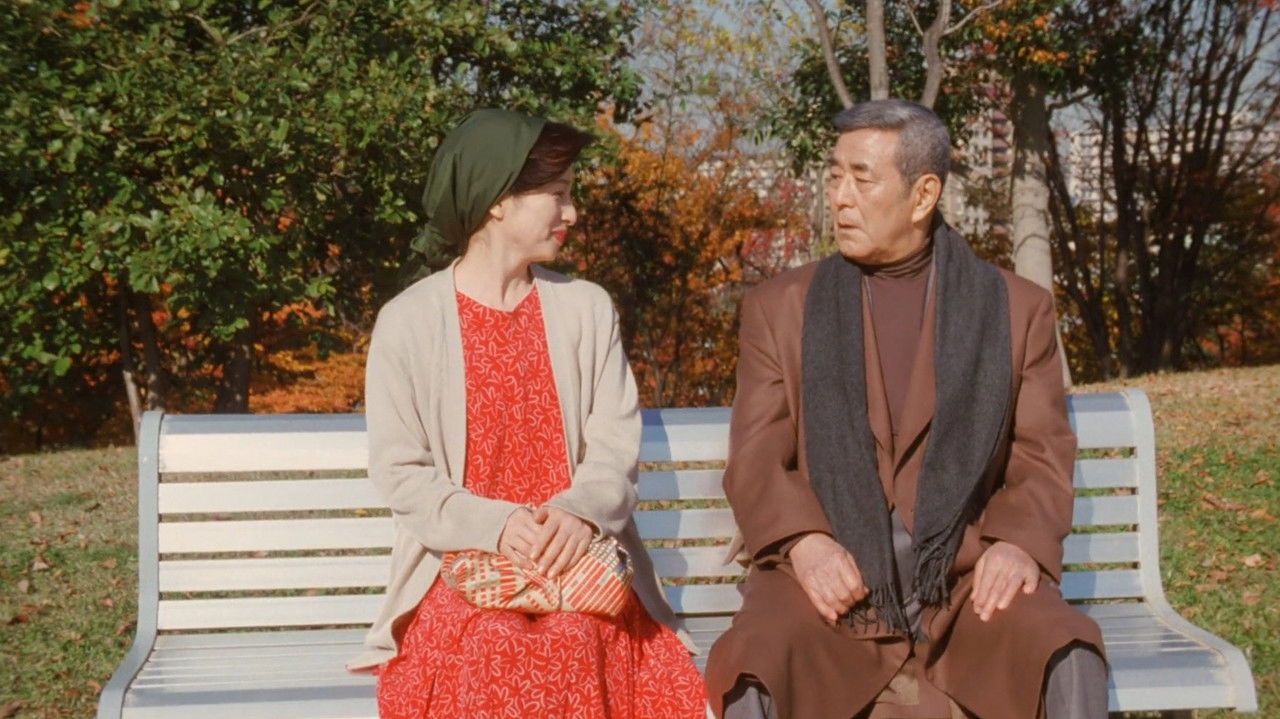
**Summary: 8/10: a visually sumptuous meditation on fate and consequence, hampered by cinema's impatience with theatrical time, but anchored by Kitano's conviction that we are all, in the end, tied to choices.** Takeshi Kitano has made a career building cages: boxing rings, police precincts, the closed circuits of obligation or vengeance. *Dolls* is, on its surface, the strangest escape from that motif he has ever attempted, and yet it is not an escape at all. He merely replaced steel bars with a length of red cord, and therein Kitano discovers that his oldest subject, the individual trapped by forces larger than himself, certainly survives a change of costume. The film opens with puppets, Japanese bunraku, and closes with puppets, and in between it asks what separates a human being pulled by fate from a doll pulled by strings. The answer is delivered with great tenderness and considerable patience. The achievement of *Dolls* lies first in its eye. Kitano, working with Yohji Yamamoto's costuming and Katsumi Yanagijima's cinematography, treats each frame as a theater set rather than a shot. The bound lovers, Matsumoto and Sawako, pass through cherry blossoms, then summer green, then the fire of autumn maple, then a hush of snow, and the seasons do the emotional labor that dialogue cannot. Since Sawako has been rendered mute by her suicide attempt, and Matsumoto by grief, color becomes language. This is Kitano at his most artistic, closer in spirit to a Japanese scroll painting than to a screenplay, and it is easy to see why the film announces its intentions by filming an actual bunraku performance of Chikamatsu Monzaemon's *The Courier for Hell* as the opening salvo. The puppets, lacquered and magnificent, perform their own doom with formal control. Kitano wants his movie to emulate bunraku theater. It does not entirely succeed, and here is the film's honest failure. Bunraku earns its deliberateness because the audience has agreed, by entering the theater, to a different contract with time. The chanter's voice stretches syllables to create the sound of grief; the puppeteers, visible and unhidden, remind the audience constantly that artifice is the point, not an obstacle to be forgotten. Cinema asks for a different patience. Even an art film must compress, must choose where to cut, must trust the audience's imagination to fill gaps rather than wander through them. *Dolls,* unfortunately\*,\* sometimes forgets this. The middle stretch, particularly the beggars' wandering, indulges its own beauty past the point where it carries weight, and the editing, so uncharacteristically slack for a director known for the controlled violence of *Sonatine* and *Hana-bi*, lets scenes breathe until they go slightly stale. One admires the ambition of translating a four-hundred-year-old theatrical grammar into film, but admiration is not the same as being moved, and for stretches of *Dolls* the two part company. What redeems the film, and what makes it worth watching outside its pacing troubles, is the idea buried beneath the melodrama. Each pair of lovers is bound, literally in the first story and metaphorically in the other two, and the binding is never simply romantic. It is a statement about causality itself: that no one's fate belongs entirely to themselves, that it is always leashed to the decisions and fates of others. Matsumoto's parents engineer a marriage of ambition rather than love, and in doing so destroy not only their son's happiness but their own hope of ever seeing him again, along with the futures of two other families drawn into the wreckage. The pattern repeats with variation. Nukui blinds himself to gain entry into Haruna's seclusion, achieving his obsession and simultaneously ensuring that his obsession will cost him his life, while compounding Haruna's isolation rather than curing it. Hiro, the ageing boss, chooses the organization over Ryoko decades earlier, and arrives at the end of his life recognizing, too late for it to matter, that the choice may have been the wrong one. This is Kitano working in a vein similar to *Kids Return*, whose closing exchange, "are we finished already?", "you idiot, we haven't even started yet," insists that failure and consequence are never final, only ongoing. It is also, whether Kitano intended or not, in conversation with Kieślowski's *Blind Chance*, which splits a single missed train into three divergent lives. Kieślowski's interest is in the multiplicity of paths not taken; Kitano's interest, more akin to the butterfly effect, is how far the shockwave of one specific choice travels outward once made, rippling through parents, bystanders, rival lovers, hired gunmen, until the entire cast is revealed to be bound to each other whether they ever meet or not. Kitano's reported remark that "there is no reason to loathe death" becomes visible as one of the film's actual arguments. The three stories end in catastrophe, yet Kitano refuses to stage catastrophe as horror. Death arrives the way it arrives in bunraku, as resolution rather than rupture, the puppet laid gently down rather than broken. A director who survived his own near-fatal motorcycle accident in 1994, and who emerged from it with half his face permanently altered, has some authority to insist that disfigurement and mortality need not be the worst things that happen to a person. That biography sits quietly behind Haruna's hidden scars and Nukui's self-inflicted blindness, suggesting that the film's true sympathy lies less with theatrical tragedy than with the dignity of those who go on living inside damaged bodies and ruined plans. One could easily mistake the recurring pair at Hiro's gate, the man in the wheelchair and his intellectually disabled companion, who periodically arrive to beg for yakuza money, as a loose thread Kitano never bothers to tie off; a minor digression that wanders in from some other film entirely. (Perhaps the one that would eventually become Yook Sang-hyo's *Inseparable Bros,* (2019)*.* But their presence is neither mistake nor indulgence. They too are bound to each other, as literally in their mutual dependence as Matsumoto and Sawako are by the red cord, and the crucial distinction is that their binding was never a choice at all. No parental ambition engineered it, no obsessive love affair produced it, no yakuza code demanded it. They are simply joined, by circumstance or birth or the accident of need, and Kitano asks us to notice that this form of binding exists alongside the others without comment or validation. It is not punished, not redeemed, not even explained. It simply is, appearing and vanishing at the margins of the main triptych like a fourth panel in search of a story. Set against the operatic consequences visited upon the film's lovers, the beggars quietly widen the argument: some of us are tied to another by decisions, ours or someone else's, and some of us are tied to another by nothing more than the fact of being alive and unable to manage alone. Kitano declines to rank these fates. He only insists on showing us that both exist, and that the rope, in whichever form it takes, is often not of our own making. *Dolls* does not achieve the technical discipline of Kitano's best work, and its devotion to bunraku tableau sometimes drains the stories of the momentum they need to land their full emotional weight. But its central image, lovers tied together by something neither can now escape, is strong enough to survive the film's longueurs, and its quiet refusal to treat death as defeat gives the whole project a gravity that lingers well past its missteps.
Bewertung
7.5
Votes
388
Popularity
3
Photos
Stills & key art from the movie



Your free movie & series tracker
What is Moventra?
Moventra remembers what you watch so you don’t have to. Keep a watchlist, log episodes, and discover similar titles, all in one free app.
Watchlist
Save movies and series you want to watch later.
Episode tracking
Keep tabs on every season and episode as you watch.
Recommendations
Find similar titles when something isn’t for you.
Import & export
Bring your list with you and keep control of your data.
Frequently asked questions
How do I add Dolls to my library?
Can I rate and review Dolls?
Where do I find more movies like Dolls?
Is my Moventra data private?
One place for every film and series you love, starting with Dolls.
Free forever, no advertisement. Pick up where you left off and always know what’s next.