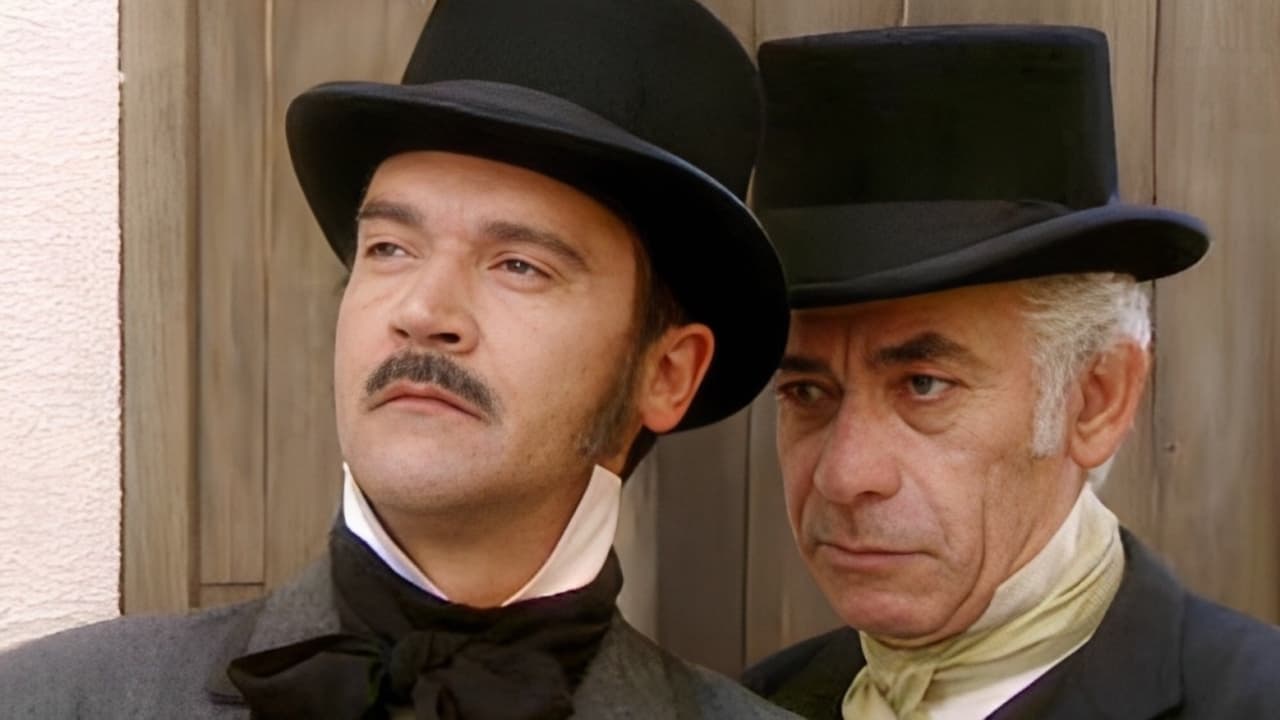
João Semana
Raak nooit meer kwijt wat je aan het kijken bent.
Al je films en series op één plek. Ga verder waar je gebleven was en weet altijd wat je hierna kunt kijken.



522 kijkers houden dit bij op Moventra ·gratis om mee te doen
- Bedenker
- Francisco Moita Flores
- Sterren
- Nicolau Breyner, João D'Ávila, Filipe Duarte
- Genre
- Comedy, Family
Verhaal
Trefwoorden
Nicolau Breyner
João Semana
João D'Ávila
Senhor Reitor
Filipe Duarte
Zé do Telhado
Paula Lobo Antunes
Clara
Margarida Miranda
Margarida
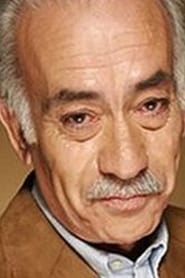
José Eduardo
Regedor
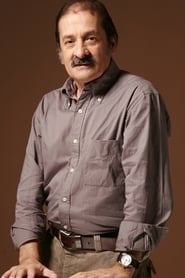
João Maria Pinto
João da Esquina

Rui Mendes
Henrique Nogueira

André Nunes
Daniel

João Lagarto
José das Dornas

Ana Bustorff
Amélia
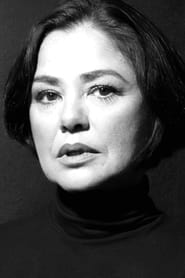
Filomena Gonçalves
Maluca

Gonçalo Diniz
Pedro

Patrícia André
Rita

Teresa Madruga
Engrácia
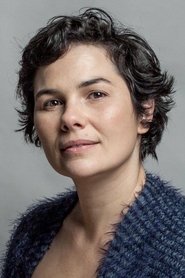
Carla Chambel
Francisquinha
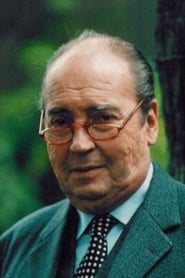
Canto e Castro
Mestre

Nuno Nunes
Francisco

Carmen Santos
Teresa

António Melo
Joaquim do Telhado
Reviews
1 recensie
**By mixing characters from two different novels and imaginative ideas from his head, Moita Flores has created a portrait of a Portugal that only existed in his head.** Written by Francisco Moita Flores, this series is a somewhat confusing mixture of characters and elements from two very different stories: on the one hand, the action and the main characters are taken from “As Pupilas do Senhor Reitor”, by Júlio Dinis. This is one of the most classic books of Portuguese romanticism, with strong appeals to the bucolic northern village life that the writer, moreover, knew very well. However, the series borrows characters and elements from Camilo Castelo Branco's "Memórias do Cárcere", especially with regard to bandit Zé do Telhado, whom the writer met in prison. Filmed in São João da Pesqueira, Penedono and Foz Coa, it has good sets and costumes, which does not make it rigorous from a historical point of view. The anachronisms are many and can be seen, in the mentality and manners of the characters. The idea of the series is to paint a kind of global portrait of Portugal in the mid-nineteenth century, from the end of 1850 to 1870. It is a seductive but reductive exercise: Portugal was never a uniform country, and the series ignores the asymmetries and different habits between regions. What we have here is, in good measure, fantasy. Far from being history, it is a kind of story that, by mixing two novels by two authors, does justice to neither. Moita Flores recreated the characters and sometimes gave them unnatural ideas and mannerisms, which someone of that time would have obviously found strange. Júlio Dinis imagined João Semana as the ordinary village doctor, generous, helpful and available. Someone socially relevant, but who provided service to others and who was necessarily rich in the family, as university study, in these times, was the prerogative of those who could afford it. Moita Flores gave his character two characteristics that seem forced or even anachronistic to me: republican beliefs and the bizarre competition with Barbeiro. In fact, in 1860 or 1865, Portugal didn't even dream of sending kings away! Far from being an inevitability or a sign of progress, the Republic was not an issue until 1890. And even in 1910, most of the population simply accepted the regime change that was imposed by force. The literate classes, to which João Semana would belong, did not defend such a change until, at least, 1880. Therefore, João Semana in this series is an alien of strange ideas, precocious even in the city and even stranger in a rural environment, where one could still smell the musty aroma of absolutist legitimisms advocated decades earlier, in the Civil War of 1832-34. The barber, with whom João Semana competes, is imagined by Moita Flores and resorts to bloodletting, ointments and secular knowledge to cure diseases, being the target of the doctor's arrogant mockery. This is pretentious: even today, in the 21st century, there are people who use these potions, remedies and homemade cures, an “alternative medicine” that persists and has been perpetuated a lot among women. And I've never heard a modern doctor criticize these practices, even if he doesn't recommend them. The series has several good actors: it is one of the most remembered television works of Nicolau Breyner's long career, but also has the participation of Filipe Duarte, João Maria Pinto, Rui Mendes, João Lagarto, Casto e Castro, Ana Bustorff and Cristina Cavalinhos. They are actors who need no introduction, who have long careers in theatre, cinema and television, and who most Portuguese people know. The series makes good use of the filming locations and recreates the sets and costumes well. Much less successful, however, was the choice and composition of the music for the opening credits, sung by Vitorino: in addition to insisting again on republicanism (very dear to the singer, but strange and inappropriately included in the series, for the reasons explained), it is a type of of song and voice that sends us, mentally, to the South of Portugal, as the series takes place and is set in the North. An instrumental melody would have been preferable, without singing or voice.
Beoordeling
5.5
Votes
2
Afleveringen
13



















Jouw gratis film- & serietracker
Wat is Moventra?
Moventra is een gratis tracker voor alles wat je kijkt. Maak een watchlist, volg je afleveringen en ontdek je volgende favoriet.
Watchlist
Bewaar films en series die je later wilt kijken.
Afleveringen volgen
Houd elk seizoen en elke aflevering bij terwijl je kijkt.
Aanbevelingen
Vind vergelijkbare titels als iets niets voor je is.
Im- & export
Neem je lijst mee en houd zelf de controle over je gegevens.
Veelgestelde vragen
Hoe houd ik João Semana bij?
Herinnert Moventra me aan João Semana?
Wat kan ik kijken na João Semana?
Kost Moventra iets?
Pak João Semana op waar je gebleven was — op elk apparaat, gratis.
Voor altijd gratis, geen reclame. Ga verder waar je gebleven was en weet altijd wat er hierna komt.