Our Youth
Raak nooit meer kwijt wat je aan het kijken bent.
Al je films en series op één plek. Ga verder waar je gebleven was en weet altijd wat je hierna kunt kijken.



1,115 kijkers houden dit bij op Moventra ·gratis om mee te doen
- Zender
- YTV
- Sterren
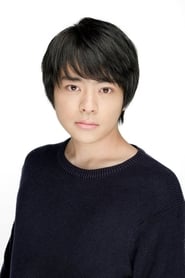
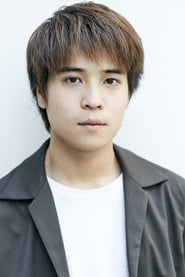
- Junsei Motojima, Kamimura Kenshin, Yuki Imai
- Genre
- Drama
Verhaal
Jin Minase, a dedicated student, finds his routine disrupted when he repeatedly encounters Hirukawa, a classmate from a rough neighborhood. Their unexpected interactions make Jin question his own life choices.



Reviews
1 recensie
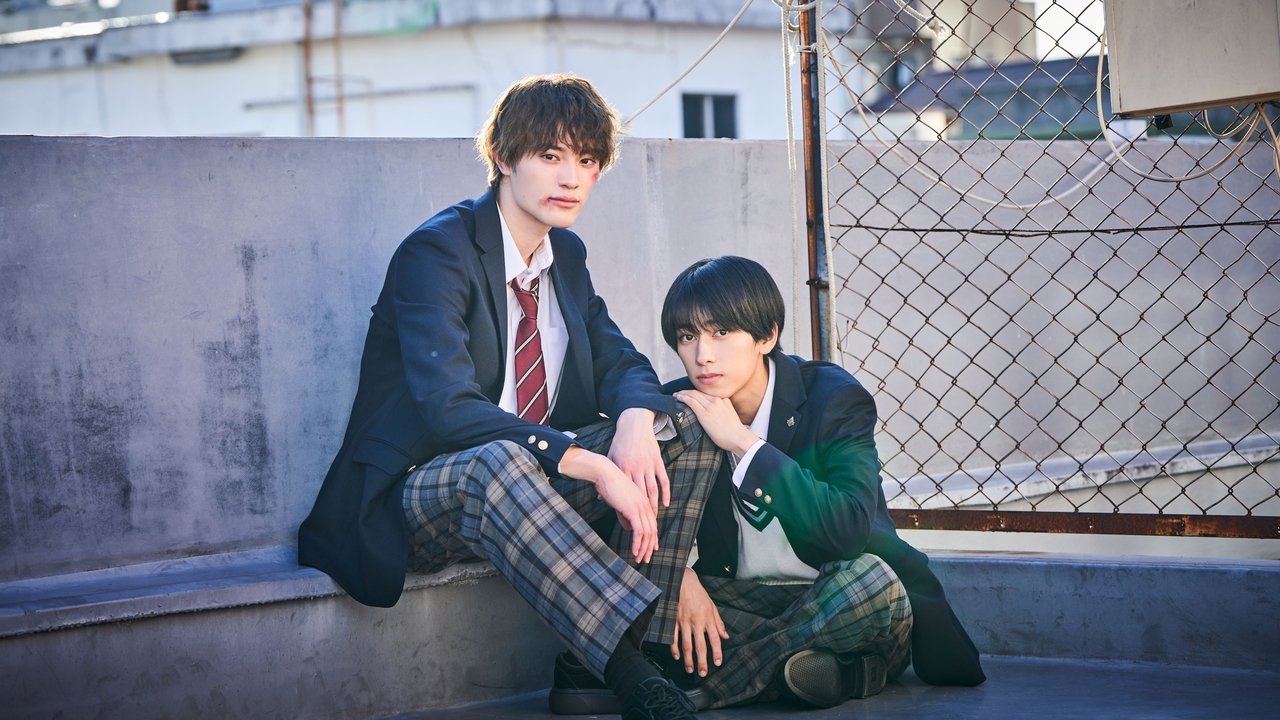
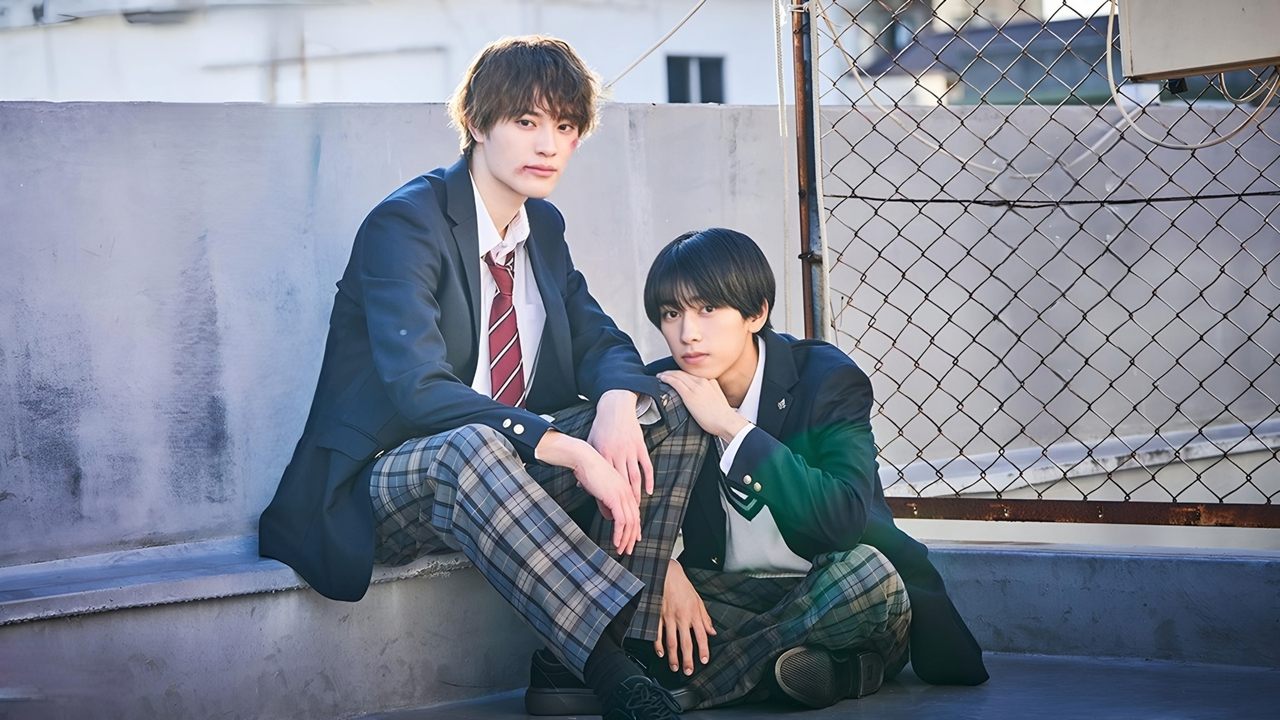
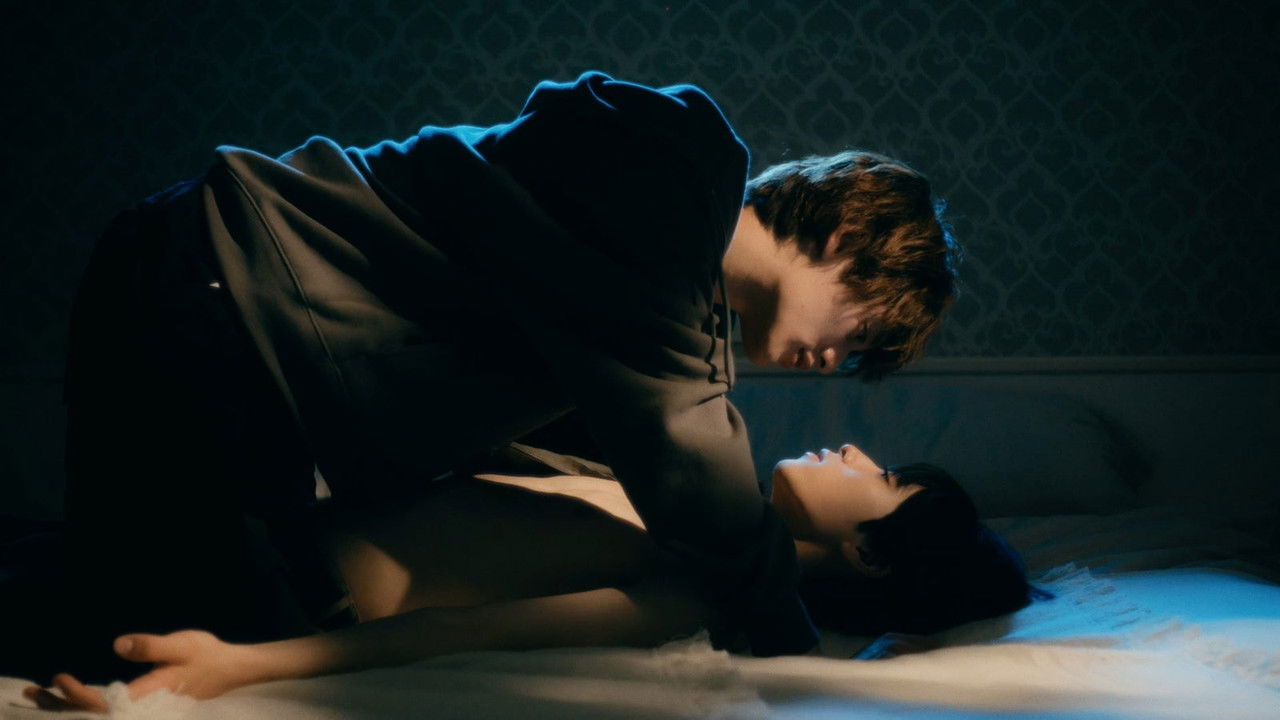
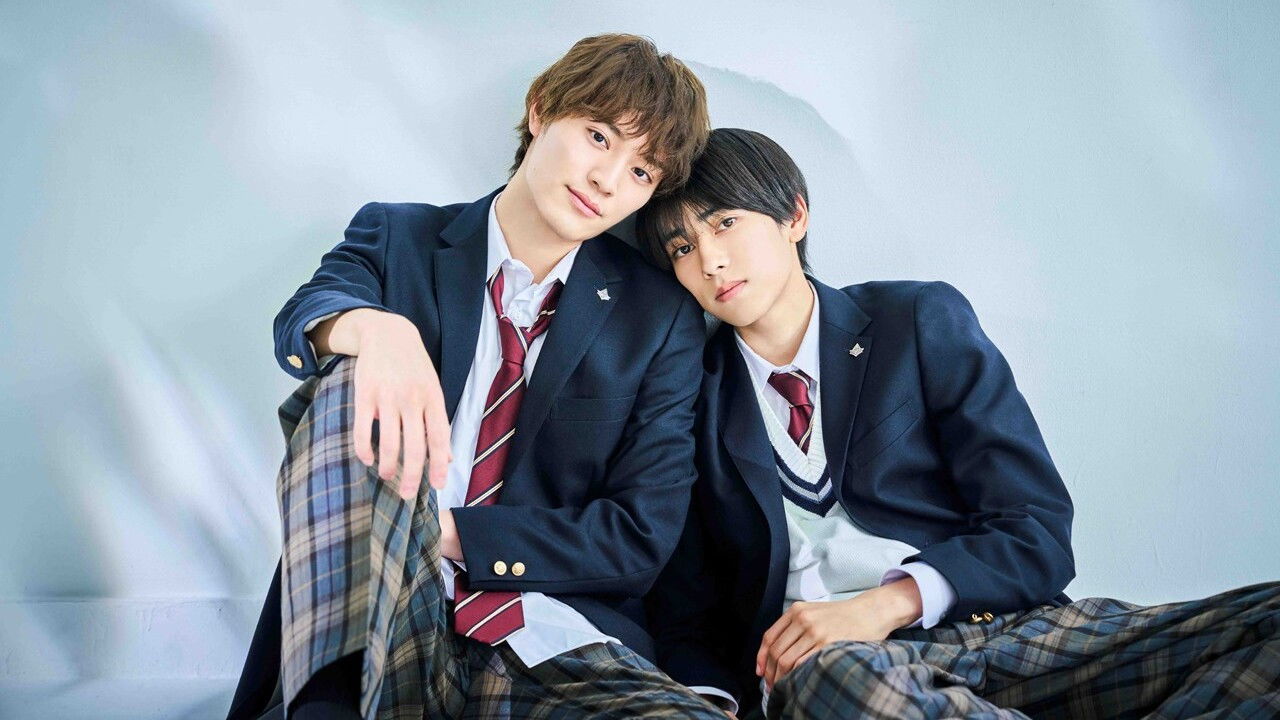
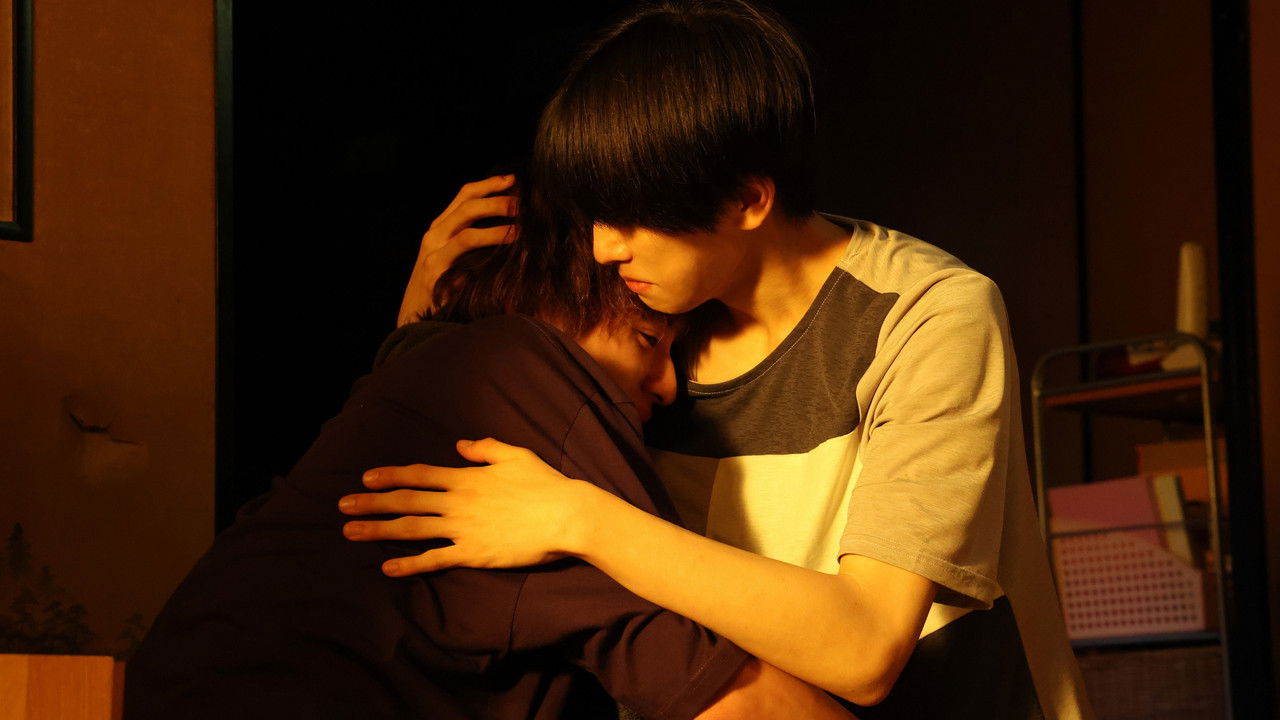
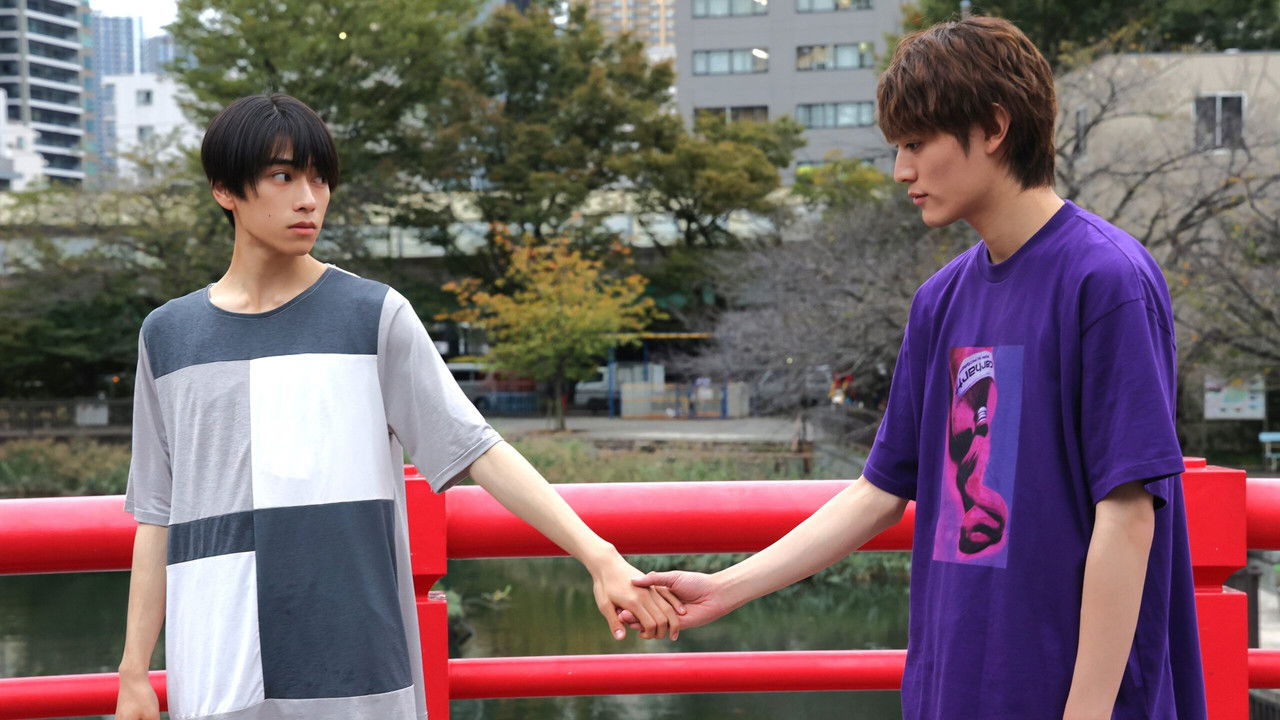
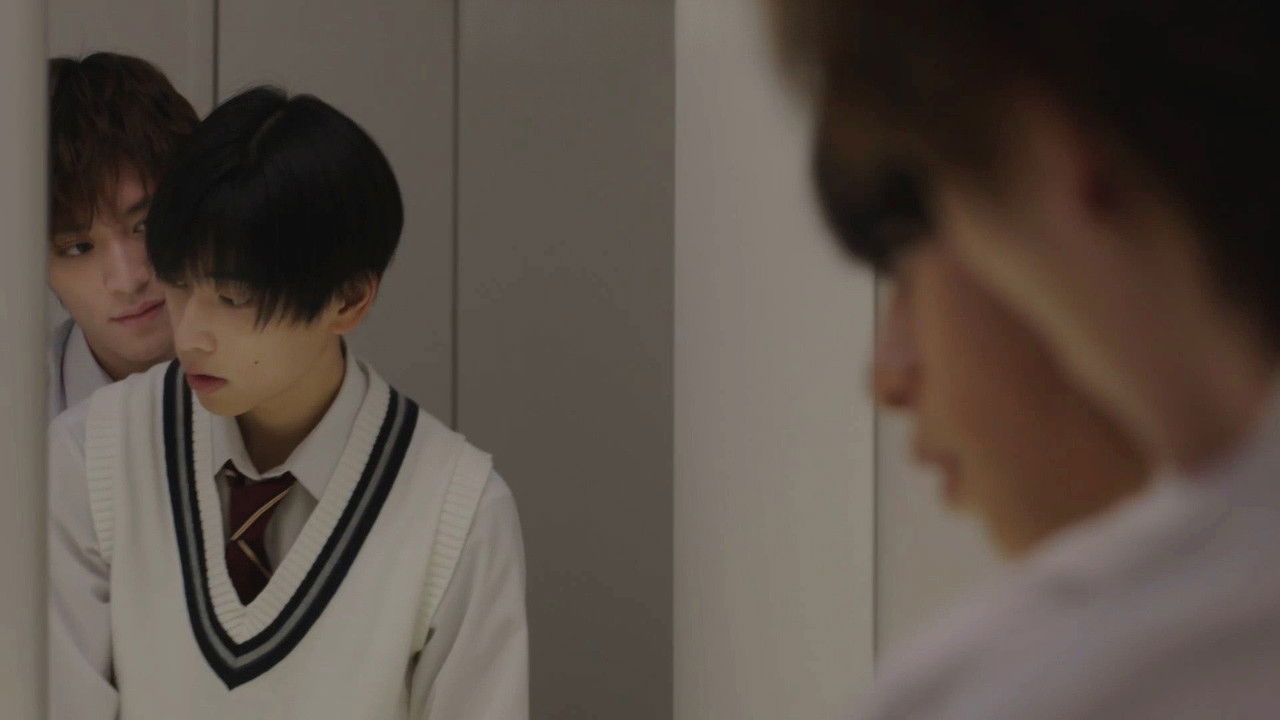
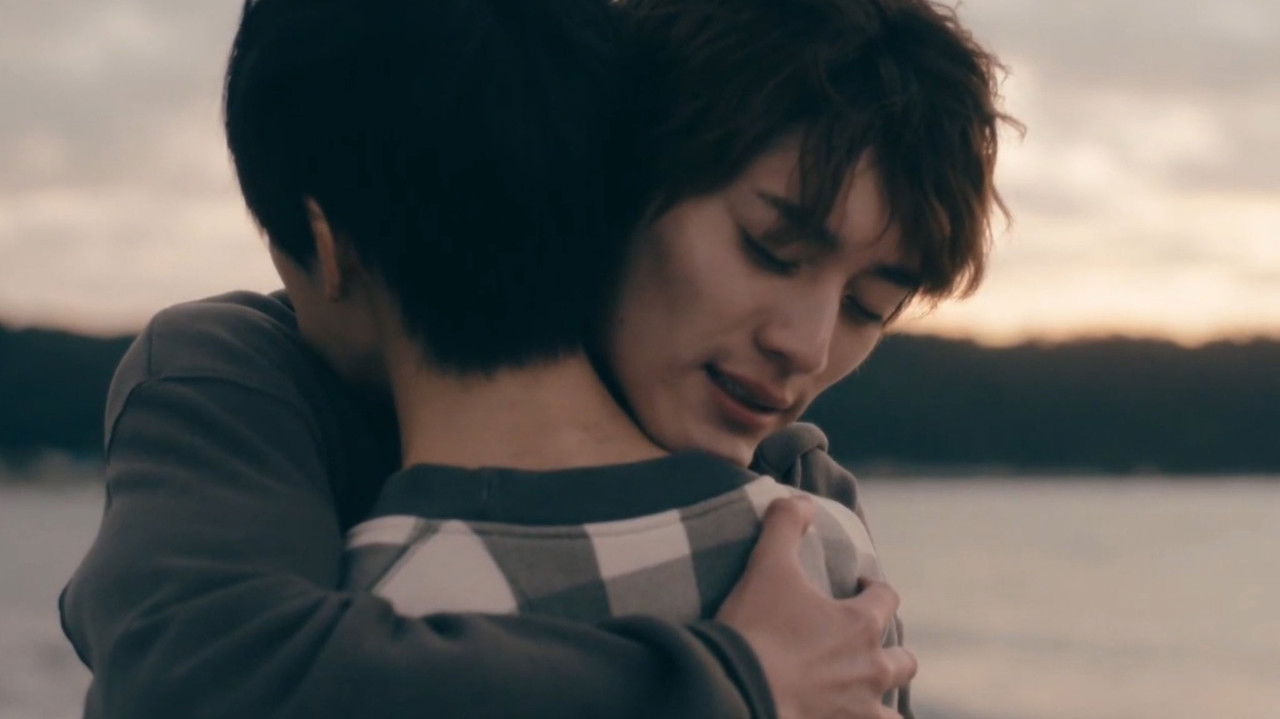
Honey on eggs First things first – in my opinion, this is one of the best BL series ever made. It is realistic and romantic, it is brutal and poetic, it is full of angst, yet full of love as well. The genius writer of this series (Miura Yoiku) found a beautiful metaphor for all this: Minase: ”Honey on eggs?” Hirukawa: ”Yes, seems impossible, right? You think I'm lying? Try it first.” Minase: ”Mhm, delicious.” ”Our Youth” is the seemingly impossible love story of the well-behaved, excellent high school student Minase (Motojima Junsei) and troublemaker Hirukawa (Kamimura Kenshin). At first, Minase doesn't like Hirukawa, and is even scared of him after he watches him attacking a teacher. Things change when Minase witnesses Hirukawa being beaten up by his drunk father, a brutal scene, which happens several times in the first half of the series. Minase helps the injured boy, and even defends him when he is threatened to be expelled from the school. As the boys open up to each other, albeit in very small steps, it becomes obvious that they share a similar backstory. Hirukawa stayed at his father's when his mother fled from her husband's domestic violence, because he didn't want to disturb her new family. His father's brutality has a devastating effect on the boy – he thinks that he is as bad as his father, and thus believes that he isn't worthy to be loved by anyone. Minase's parents also separated, and he stays with his mother, who is absent most of the time, but when she is there, she keeps suggesting girlfriends, and later fiancées to Minase. Minase's father is a respected director, and Hirukawa, who dreams of becoming a filmmaker, is happy when Minase takes him to a premiere. The event turns out to be a disappointment for Minase, though, because his father again has no time for his son. On the other hand, the two boys' visit to Hirukawa's mother becomes a pleasant trip to the seaside. Then Hirukawa's father drinks himself to death, and Hirukawa blames his death on himself as he didn't notice that his father was in trouble. This reinforces not only his self-doubts, but makes him believe that he is not good enough for Minase. In a scene that left me in tears, he breaks up with him, and the boys go different ways. Minase looks for Hirukawa, and finally enters his father's house, which has been abandoned. He finds a letter Hirukawa has written to him but never sent, in which he confesses his love to Minase. After the break-up, Hirukawa strives to become a better version of himself, in order to become worthy of a relationship with Minase. He becomes a good student, and against all odds enters university and studies film-making. Minase goes to study in the USA, and upon his return to Japan grabs a well-paid job in a major corporation. When Minase hears about the premiere of Hirukawa's first movie, he tries to attend the event, but doesn't make it in time. By a chain of coincidences, the two young men meet again. They reconcile, and reunite, and start living together. Hirukawa proposes to Minase, but Minase shies away from making their relationship public. This could have been a major problem in their young relationship, but Hirukawa loves Minase so much that he is willing to wait until Minase is ready, although he is aware that this could take a very long time. The ending of the series is beautiful, albeit no sogar-coated happy one, which wouldn't have matched the tone of the complete series. Because this series isn't the happy-go-lucky pink Disney kind of love story, where ”all's well that ends well”. It rather remains realistic from beginning to end, and this is one aspect that makes it different from most BL series. It is a love story, a story of a deep and honest love, but it doesn't avoid the self-doubts, the problematic moments, the separation, and the different readiness to go public. The writing of this series is simply fantastic. It finds exactly the right balance of realism and romantic scenes, and it succeeds in making the viewers feel with the protagonists and their stories. I am not a friend of time lapses, but in this case either a season 2 or some episodes after a time lapse were needed, as the story just could not end with the boys' break-up. The writer has also been able to create scenes that come across like pure poetry, which stand in stark contrast to some brutally realistic scenes, especially in the first half of the series. The directing is excellent as well – no wonder as Makino Maseru directed one of my 2024 favourites, ”I Hear the Sunspot”, and Shibata Keisuke has directed two BL series, ”Although I Love you, and you?”, which tbh I didn't like when many viewers liked it, and ”Sahara Sensei to Toki-kun”, which I enjoyed a lot when many viewers didn't really appreciate it. Like in many Japanese BL series, the lead actors aren't newbies who have been cast because of their good looks (although both of them are handsome, and Kamimura even hot in my eyes) or because they have been cheerleaders at university. Both Motojima Junsei and Kamimura Kenshin have some acting experience, but have not developed a routine that makes their acting seem lackluster. Motojima Junei personifies the inhibitions his character has towards Hirukawa at the beginning as perfectly as the growing, yet secret, love he feels for him, and he is able to make the viewer feel that the way his parents treat him hurt him almost as much as Hirukawa is physically hurt by his father. Kamimura Kenshin, on the other hand, is brilliant in displaying Hirukawa's vulnerability that is hidden under the cover of a hard shell. Some of the supporting actors also played in ”Sahara Sensei to Toki-kun”, and although they do not contribute much to the main plot, their characters aren't just one-dimensional extras, but persons as they would be met in real life, with their inhibitions, especially towards Hirukawa, and their own problems of low self-esteem and fear of the future. The cinematography and the coloring reflect the plot and the atmosphere of the boys' relationship. Hirukawa's domestic situation takes place in the semi-darkness of his father's house and courtyard, and most of the beginning of the protagonists' love story is set in this obscurity, which is later contrasted by the view of the sea and – the only cheesy shot – the young men's visit to the seaside at sunrise. To sum up, this is a wonderful series that captured my heart and soul, and I admit that I spent tears of pain and sympathy as well as tears of joy. It's honey on eggs – not impossible, but delicious.
Beoordeling
8.6
Votes
33
Afleveringen
10
Foto's
Stills en key art van de serie






Jouw gratis film- & serietracker
Wat is Moventra?
Met Moventra volg je films en series naast elkaar — bewaar titels voor later, markeer ze als gezien en ga verder waar je gebleven was.
Watchlist
Bewaar films en series die je later wilt kijken.
Afleveringen volgen
Houd elk seizoen en elke aflevering bij terwijl je kijkt.
Aanbevelingen
Vind vergelijkbare titels als iets niets voor je is.
Im- & export
Neem je lijst mee en houd zelf de controle over je gegevens.
Veelgestelde vragen
Kan ik Our Youth volgen op Moventra?
Kan ik Our Youth op al mijn apparaten volgen?
Hoe raadt Moventra series aan zoals Our Youth?
Staat er reclame op Moventra?
Pak Our Youth op waar je gebleven was — op elk apparaat, gratis.
Voor altijd gratis, geen reclame. Ga verder waar je gebleven was en weet altijd wat er hierna komt.